

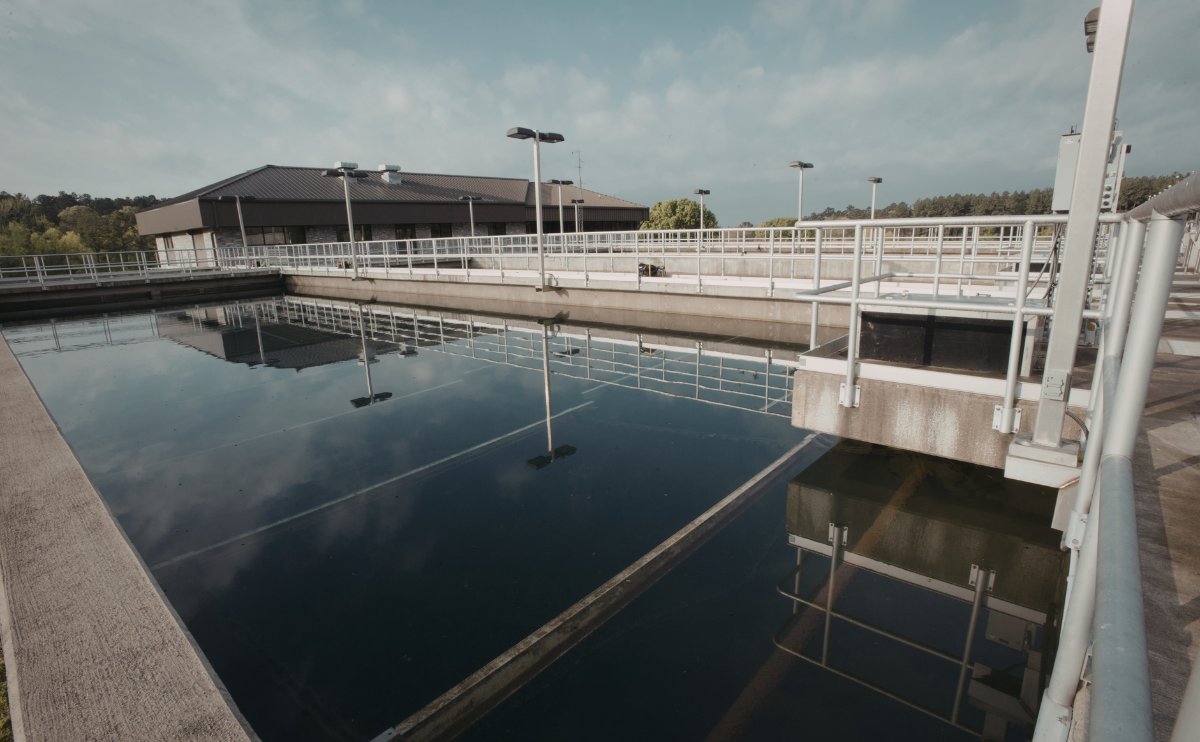
Bio media plays a vital role in modern wastewater treatment systems by supporting biological growth and improving overall treatment efficiency significantly. It helps sewage and effluent treatment plants manage higher organic loads without increasing tank size or infrastructure costs. As industries and cities grow rapidly, wastewater treatment systems must become more compact, reliable, and performance driven. Bio media provides a practical solution that meets today’s environmental and operational requirements.
In recent years, stricter discharge norms have increased the demand for advanced biological treatment solutions across India and Asian markets. Bio media enables treatment plants to achieve better pollutant removal with stable performance under fluctuating load conditions. It also supports sustainable water management by reducing energy use and chemical dependency. Due to these advantages, bio media has become a core component in modern STP and ETP designs.
What Is Bio Media in Wastewater Treatment?
Bio media is a specially engineered plastic carrier material designed to provide a large surface area for microbial attachment. These microorganisms form a biofilm that breaks down organic pollutants present in wastewater during biological treatment processes. The media remains either suspended or fixed inside treatment reactors depending on the selected treatment technology. This arrangement allows higher biomass concentration within limited reactor volumes.
Bio media works efficiently in both aerobic and anaerobic environments, making it suitable for diverse wastewater treatment applications. It improves biological activity by protecting microbes from hydraulic shock loads and toxic fluctuations. As a result, treatment systems become more stable and reliable during continuous operation. This makes bio media essential for consistent wastewater treatment performance.
Why Bio Media Is Essential in STP and ETP Plants
Traditional wastewater treatment systems require large civil structures to achieve desired treatment efficiency, which is not always feasible today. Bio media addresses this challenge by increasing biological capacity without expanding tank sizes or footprints. It allows treatment plants to handle higher loads using existing infrastructure efficiently. This makes bio media ideal for upgrades and retrofitting projects.
Additionally, bio media improves sludge settleability and reduces excess sludge generation during treatment. This helps lower sludge handling and disposal costs for plant operators. Improved process stability also results in better treated water quality. Therefore, bio media plays a critical role in cost-effective and sustainable wastewater treatment solutions.
Key Benefits of Using Bio Media in Wastewater Treatment
Bio media offers multiple operational and performance benefits for modern treatment plants handling municipal and industrial wastewater. These advantages make it a preferred choice among consultants, engineers, and plant operators. Some key benefits of bio media include the following:
Major Benefits of Bio Media:
- Increases biological treatment efficiency without expanding reactor size
- Supports stable performance during load fluctuations and shock conditions
- Reduces sludge generation and overall operating costs
- Improves treated water quality for reuse or safe discharge
Due to these benefits, bio media supports both regulatory compliance and long-term operational reliability. It also helps plants achieve sustainability targets effectively.
Types of Bio Media Used in Wastewater Treatment Systems
Different wastewater treatment processes require different types of bio media based on reactor design and treatment objectives. Each bio media type offers unique structural features that support specific biological processes effectively. Selecting the right bio media ensures optimal treatment performance and long-term operational stability. Below are the most commonly used bio media types in STP and ETP plants.
MBBR Media (Moving Bed Biofilm Reactor Media)
MBBR media is widely used in modern wastewater treatment plants due to its flexible operation and high biological efficiency. The media moves freely inside aeration tanks with the help of air or mechanical mixing. This continuous movement allows uniform biofilm growth and prevents clogging inside the reactor. As a result, organic load removal becomes faster and more efficient.
MBBR media offers a protected surface area that supports strong microbial attachment and long biofilm life. It performs well under varying load conditions and shock loads common in industrial wastewater treatment. MBBR systems are easy to operate and require minimal maintenance compared to conventional systems. Therefore, MBBR media is preferred for both new installations and plant upgrades.
Common MBBR Media Variants Used in STP Plants:
- Black MBBR Media
- MBBR Media 16x22mm
- PP MBBR Media
- Virgin MBBR Media
- Recycled MBBR Media
- MBBR Floating Media
These variants allow engineers to select media based on wastewater characteristics and required treatment performance.
FAB Media (Fixed Activated Bed Media)
FAB media remains fixed inside the aeration tank and allows wastewater to flow continuously through the media bed. This configuration improves oxygen transfer efficiency and supports stable biofilm attachment on structured surfaces. FAB media provides consistent treatment performance even during load variations. It is particularly useful in space-constrained treatment plants.
FAB media is commonly used in compact sewage treatment plants and hybrid biological systems. It reduces the requirement for large aeration volumes while maintaining high treatment efficiency. The fixed structure also minimizes media loss during operation. Due to these benefits, FAB media is widely adopted in municipal and commercial STP projects.
Bio Pac Media and Random Media for Bio Towers
Bio Pac media is designed for use in bio towers, trickling filters, and anaerobic treatment systems. Its random packing structure creates high void space and ensures uniform wastewater distribution throughout the reactor. The flower-shaped design enhances contact between wastewater, air, and biofilm. This results in effective organic matter removal.
Bio Pac media supports excellent airflow and prevents channeling inside bio towers. It is mechanically strong and resistant to chemical and biological degradation. These properties make it suitable for industrial wastewater treatment applications. Bio Pac and random media are widely used in industries handling high organic loads.
Conclusion
Bio media has become an essential component of modern wastewater treatment systems due to its efficiency and sustainability benefits. It improves biological treatment performance while reducing space, energy, and operational requirements. From MBBR and FAB media to SAFF and Bio Pac media, each type serves a specific treatment need. Choosing the right bio media ensures long-term reliability and compliance.
About Bioflow Industries
Bioflow Industries Pvt. Ltd. is a leading manufacturer, supplier, and wholesaler of bio media and STP components in India, serving projects across Asian markets. We offer high-quality MBBR media, FAB media, SAFF media, Bio Pac media, tube settlers, diffusers, and water stoppers for wastewater treatment applications. Our products are designed for durability, efficiency, and consistent performance in demanding treatment environments. Bioflow Industries remains a trusted partner for sustainable wastewater treatment solutions.