

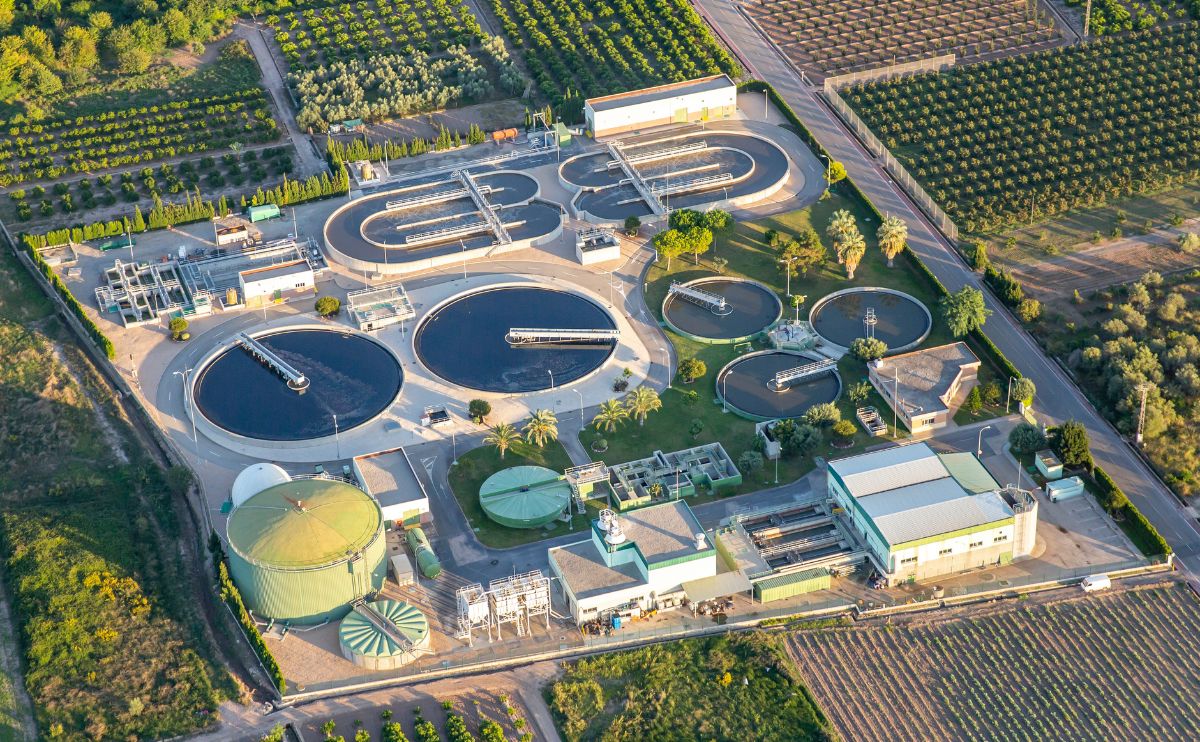
Wastewater treatment has become an essential part of modern infrastructure development. Residential societies, commercial buildings, industries, hospitals, and municipalities generate large volumes of wastewater every day. Without proper treatment, this wastewater can create serious environmental and public health concerns. A Sewage Treatment Plant (STP) helps treat contaminated water before discharge or reuse, making wastewater management safer and more sustainable.
The performance of an STP depends on more than just plant capacity or layout. Efficient wastewater treatment depends not only on plant design, but also on the quality and integration of critical STP components. Every stage of the treatment process requires carefully engineered equipment and biological media that can maintain operational stability, support microbial activity, and improve overall treatment efficiency.
Modern STP systems use advanced treatment technologies to reduce BOD, COD, suspended solids, and harmful contaminants. Components such as MBBR Media, Tube Settler Media, SAFF Media, Bio Pac Media, Fine Bubble Diffusers, and PVC Water Stoppers play a major role in maintaining reliable treatment performance. Additionally, industries now prefer durable and corrosion-resistant wastewater treatment components that can operate efficiently for long periods with lower maintenance requirements.
Screening and Pre-Treatment Components
The wastewater treatment process starts with pre-treatment. This stage removes large particles, floating materials, grit, and oils before wastewater enters the main treatment sections. Proper pre-treatment protects downstream equipment from damage and improves the efficiency of biological treatment systems.
Common Pre-Treatment Components
- Bar Screens
- Fine Screens
- Grit Chambers
- Oil and Grease Traps
Bar screens help remove plastics, rags, stones, and other large waste materials from incoming sewage. After that, fine screens capture smaller suspended particles that may otherwise affect pumps or biological reactors. Grit chambers separate heavy particles such as sand and gravel, while grease traps remove floating oils from wastewater.
Moreover, effective pre-treatment reduces clogging issues and supports smoother plant operation throughout the treatment cycle.
Primary Treatment Components
After screening and pre-treatment, wastewater moves into the primary treatment stage. This process mainly focuses on separating suspended solids through sedimentation. As solids settle at the bottom of the tank, the organic load on the secondary treatment stage decreases significantly.
Major Components Used in Primary Treatment
- Primary Clarifiers
- Settling Tanks
- Tube Settler Media
Among these components, Tube Settler Media is widely used in modern STP systems because it improves clarification efficiency without increasing tank size. These structured media modules create additional settling surface area and help suspended particles settle faster.
Benefits of Tube Settler Media
- Improves sludge settling efficiency
- Reduces tank space requirements
- Enhances clarification performance
- Offers corrosion resistance
- Supports long-term operational durability
Additionally, PVC Tube Settler Media and Square Shaped Tube Settlers are preferred in industrial and municipal wastewater treatment plants because of their lightweight structure and low maintenance requirements.
Biological Treatment Components
Biological treatment is considered the core process of an STP. During this stage, microorganisms break down dissolved organic pollutants and help reduce contamination levels in wastewater. Advanced biological media improve microbial growth and support stable treatment performance.
MBBR Media (Moving Bed Biofilm Reactor Media)
MBBR Media is one of the most widely used biological treatment solutions in modern sewage treatment systems. The media moves freely inside aeration tanks and provides a protected surface for biofilm formation. As microorganisms grow on the media surface, they consume organic pollutants more effectively.
Features of MBBR Media
- High specific surface area
- Lightweight floating structure
- Strong biological growth support
- Long operational life
- Efficient BOD and COD reduction
Common Variants
- Virgin MBBR Media
- Recycled MBBR Media
- Black MBBR Media
- MBBR Media 16x22mm
- PP MBBR Media
- FAB Media
Furthermore, MBBR systems require less maintenance compared to conventional activated sludge processes. They also offer better process stability under varying wastewater loads.
SAFF Media (Submerged Aerated Fixed Film)
SAFF Media is another important biological treatment component used in fixed-film wastewater treatment systems. In this process, microorganisms remain attached to the media surface while wastewater continuously flows through the aeration chamber.
Advantages of SAFF Media
- Stable biological activity
- Improved treatment consistency
- Reduced sludge generation
- Better oxygen utilization
- Reliable long-term performance
Industries commonly use SAFF Media in large-scale industrial wastewater treatment applications where process stability and long-term biological performance are critical.
Bio Pac Media and Random Media
Bio Pac Media, also known as Flower Media or Bio Media, is widely used in bio towers and trickling filter applications. The media structure supports efficient microbial growth while improving oxygen transfer inside the treatment system.
Benefits of Bio Pac Media
- High void ratio
- Excellent bacterial growth support
- Improved biological activity
- Better oxygen circulation
- Durable and lightweight design
In addition, Random Media for Bio Towers helps increase wastewater contact with microorganisms, resulting in better biological treatment efficiency.
Aeration Systems
Aeration is one of the most important processes in biological wastewater treatment. It supplies oxygen to microorganisms that break down organic contaminants inside aeration tanks. A properly designed aeration system improves treatment efficiency while reducing energy consumption.
Common Aeration Components
- Air Bubble Diffusers
- Fine Bubble Diffusers
- Coarse Bubble Diffusers
- Disc Diffusers
- Tubular Diffusers
Fine Bubble Diffusers produce very small bubbles that increase oxygen transfer efficiency. Because of this, they help improve microbial activity while consuming less energy. On the other hand, Coarse Bubble Diffusers provide strong mixing action in applications where turbulence is more important than oxygen transfer.
Benefits of Efficient Diffuser Systems
- Uniform oxygen distribution
- Higher oxygen transfer efficiency
- Reduced operational cost
- Improved biological performance
- Lower energy consumption
Additionally, modern diffuser systems are designed to support long-term reliability and lower maintenance requirements.
Secondary Clarification Components
After biological treatment, wastewater enters the secondary clarification stage. Here, biological sludge separates from treated water through sedimentation.
Key Components
- Secondary Clarifiers
- Sludge Collection Systems
- Settling Tanks
During this process, biomass settles at the bottom of the clarifier while cleaner water flows toward filtration or discharge sections. Furthermore, proper sludge separation improves water clarity and helps maintain stable plant performance.
Filtration and Polishing Systems
Filtration and polishing units help remove fine suspended particles that remain after clarification. These systems improve final water quality before reuse or discharge.
Common Filtration Components
- Sand Filters
- Activated Carbon Filters
- Pressure Filters
Sand filters remove suspended solids, while activated carbon filters reduce odor, color, and dissolved impurities. Additionally, pressure filters improve polishing efficiency in industrial wastewater treatment systems.
These filtration units are especially useful in water reuse applications such as gardening, flushing, cooling towers, and industrial processes.
Sludge Treatment Components
Wastewater treatment generates sludge that must be handled and processed properly. Efficient sludge management reduces disposal costs and minimizes environmental impact.
Components Used in Sludge Handling
- Sludge Thickener
- Filter Press
- Sludge Drying Beds
These systems reduce sludge volume and improve handling efficiency. Moreover, treated sludge may sometimes be reused for agricultural or industrial applications after proper processing.
PVC Water Stoppers and Structural Components
Apart from treatment media and aeration systems, structural protection components also play an important role in STP construction.
PVC Water Stoppers
PVC Water Stoppers help prevent leakage from concrete joints in wastewater treatment tanks and water-retaining structures. They improve structural durability and help maintain leak-proof operation.
Applications
- Construction joints
- Canal lining projects
- Underground water tanks
- STP and ETP structures
Advantages
- Excellent sealing performance
- Corrosion resistance
- Flexible structure
- Long service life
Additionally, Polyvinyl Chloride Water Stopper systems help maintain the structural integrity of wastewater treatment infrastructure under demanding operating conditions.
Challenges in Selecting STP Components
Selecting the right STP components depends on several operational factors such as wastewater characteristics, hydraulic load, oxygen demand, maintenance accessibility, and long-term process stability. Poor-quality media or inefficient aeration systems can significantly impact treatment efficiency and operating costs over time.
Industries and municipalities often prefer durable, corrosion-resistant, and high-surface-area components that can perform consistently under varying treatment conditions. Proper component selection also helps reduce downtime, improve biological activity, and support long-term operational reliability.
Furthermore, increasing environmental regulations are encouraging industries to adopt energy-efficient and sustainable wastewater treatment technologies for better long-term performance.
Importance of High-Quality Wastewater Treatment Components
High-quality STP components improve the overall efficiency and reliability of wastewater treatment systems. They also help reduce maintenance frequency and operational downtime.
Major Benefits
- Improved treatment performance
- Better oxygen transfer efficiency
- Lower maintenance costs
- Reduced energy consumption
- Longer operational life
- Stable biological treatment
- Better environmental compliance
As a result, industries and municipalities increasingly prefer advanced wastewater treatment components that offer long-term reliability and consistent operational performance.
Modern Trends in STP Systems
Wastewater treatment technology continues to evolve with a strong focus on sustainability, energy efficiency, and operational reliability.
Current Industry Trends
- Use of recycled MBBR media
- Energy-efficient aeration systems
- Compact modular STP designs
- Eco-friendly biological media
- Low-maintenance treatment solutions
- Improved oxygen transfer technologies
Moreover, advanced biological treatment components are helping industries improve treatment efficiency while reducing operating costs and energy consumption.
Conclusion
A Sewage Treatment Plant operates through multiple interconnected treatment stages that rely on high-performance components for effective wastewater treatment. From screening and sedimentation to biological treatment, aeration, filtration, and sludge handling, every component contributes to overall plant efficiency and operational stability.
Components such as MBBR Media, SAFF Media, Tube Settler Media, Bio Pac Media, Fine Bubble Diffusers, Disc Diffusers, and PVC Water Stoppers help improve treatment performance across municipal and industrial wastewater treatment applications. Properly engineered components not only improve treatment efficiency but also support sustainability, environmental compliance, and long-term cost savings.
At Bioflow Industries, we manufacture engineered wastewater treatment components designed for reliability, durability, and long-term operational performance across municipal and industrial applications. Our product range includes MBBR Media, Tube Settler Media, SAFF Media, Bio Media, Air Bubble Diffusers, and PVC Water Stoppers developed to support efficient and sustainable wastewater treatment systems.