

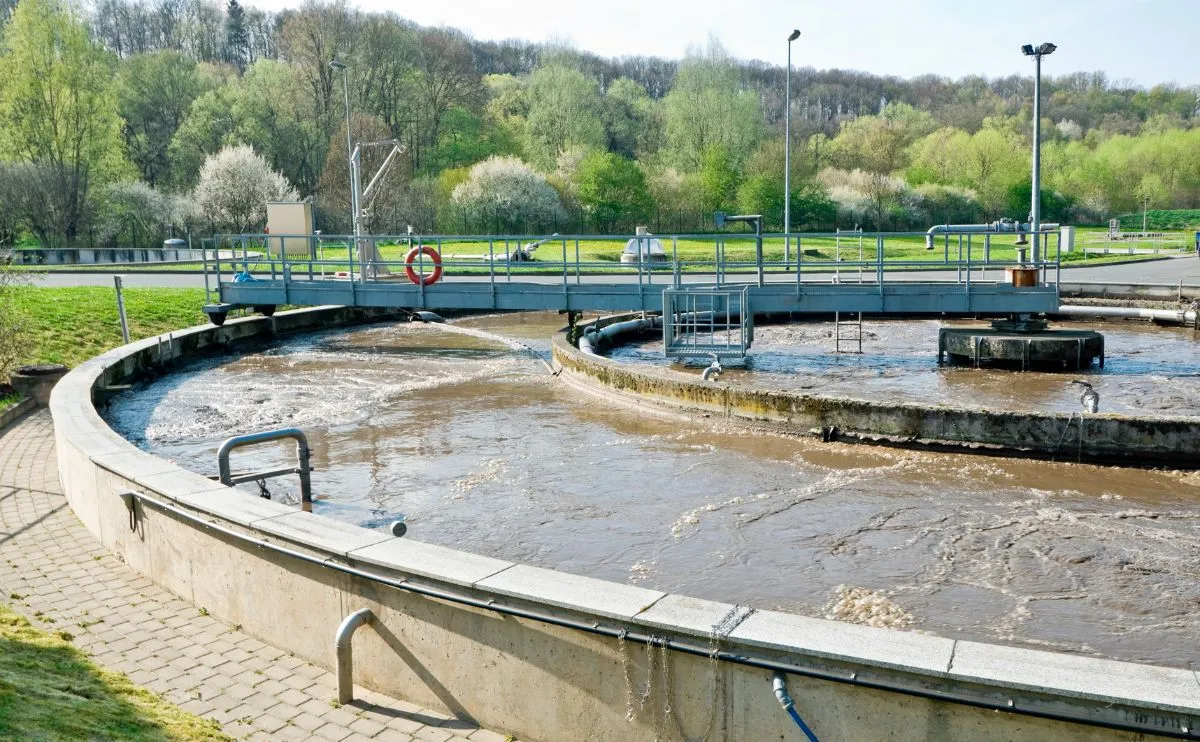
Tube Settler applications in modern wastewater treatment systems provide efficient and reliable clarification solutions for handling increasing water demand and industrial discharge. Among the most effective technologies used in sedimentation systems is the Tube Settler. These systems are widely used in sewage treatment plants, industrial water treatment facilities, municipal projects, and several process industries due to their compact design and high settling efficiency.
Tube settlers help improve the settling capacity of clarifiers by increasing the effective settling area without increasing the tank size. Because of this advantage, industries across the world are rapidly adopting PVC tube settler systems for both new installations and plant upgrades.
What is a Tube Settler?
A tube settler is a structured media system made from multiple inclined tubes or channels arranged together to increase the sedimentation surface area. Water flows upward through these tubes while suspended particles settle down due to gravity and slide toward the bottom hopper for removal.
Most tube settlers are manufactured using PVC material because of its lightweight structure, corrosion resistance, durability, and long service life. These systems are designed to improve clarification efficiency in both potable water and wastewater treatment applications.
The inclined design of the tube settler reduces the settling distance of suspended solids, which allows faster and more efficient separation.
How Tube Settlers Work
Tube settlers operate based on the principle of lamella sedimentation. The inclined tubes create multiple settling surfaces where suspended particles settle easily. As wastewater enters the system:
- Water flows upward through the inclined channels.
- Solid particles settle on the tube surfaces.
- Settled sludge slides downward due to gravity.
- Clarified water exits from the top section.
This process significantly increases sedimentation efficiency while reducing the footprint of the settling tank.
Advantages of Tube Settlers
Tube settlers are widely preferred because of their operational and economic benefits.
High Settling Efficiency
Tube settlers provide a large effective settling area in a compact space. This improves the removal of suspended solids from water and wastewater.
Space Saving Design
Compared to conventional sedimentation tanks, tube settlers require much less installation space. This makes them ideal for compact treatment plants and retrofit projects.
Low Maintenance
PVC tube settler systems require minimal maintenance because they are resistant to corrosion, scaling, and chemical attack.
Lightweight Structure
The lightweight design allows easy transportation, installation, and replacement.
Cost Effective Solution
Tube settlers reduce construction costs by minimizing tank size requirements while improving plant performance.
Improved Clarification
They help achieve better water clarity and reduced turbidity in treatment systems.
Applications of Tube Settlers in Various Industries
Tube settlers are used across several industries where clarification and solid-liquid separation are essential.
Municipal Sewage Treatment Plants (STP)
One of the most common applications of tube settlers is in municipal sewage treatment plants. These systems help remove suspended solids from sewage water before biological treatment or final discharge.
Tube settlers are installed in:
- Primary clarifiers
- Secondary clarifiers
- Tertiary treatment systems
- Compact sewage treatment units
By improving sedimentation efficiency, they help treatment plants meet environmental discharge standards more effectively.
Industrial Wastewater Treatment Plants (ETP)
Industrial wastewater often contains suspended particles, sludge, oils, and process contaminants. Tube settlers help separate these solids quickly and efficiently.
Industries using tube settlers include:
- Textile industries
- Pharmaceutical industries
- Chemical plants
- Food processing industries
- Dairy industries
- Paper mills
- Electroplating industries
Industrial effluent treatment plants use tube settlers to improve water clarification before further biological or chemical treatment stages.
Drinking Water Treatment Plants
Tube settlers are also widely used in potable water treatment facilities. In these systems, they help remove suspended particles after coagulation and flocculation processes.
Benefits in drinking water plants include:
- Better turbidity removal
- Faster clarification
- Reduced filter load
- Improved water quality
Because of their efficient performance, many modern water treatment plants use PVC tube settler media in sedimentation tanks.
Power Plants
Thermal and power generation plants use large volumes of water for cooling and process operations. Tube settlers help in the treatment and recycling of process water.
Applications include:
- Cooling tower blowdown treatment
- Ash water clarification
- Raw water treatment
- Industrial wastewater recycling
Their compact structure makes them suitable for large industrial utility systems.
Mining and Mineral Processing Industries
Mining operations generate wastewater containing fine suspended solids and mineral particles. Tube settlers help improve the clarification process and reduce sludge handling issues.
They are commonly used for:
- Mine water clarification
- Slurry separation
- Tailings water treatment
- Process water recycling
Efficient solid-liquid separation helps industries reduce freshwater consumption and improve environmental compliance.
Food and Beverage Industry
Food processing plants generate wastewater with organic solids, oils, and suspended particles. Tube settlers assist in primary clarification before biological treatment.
Applications include:
- Dairy processing plants
- Beverage manufacturing
- Meat processing facilities
- Sugar industries
- Edible oil processing plants
Improved clarification helps maintain smoother downstream treatment operations.
Chemical and Pharmaceutical Industries
Chemical and pharmaceutical wastewater often contains high suspended solids and chemical residues. Tube settlers are used to improve solid separation and reduce sludge load on secondary systems.
Benefits include:
- Better chemical precipitation settling
- Improved sludge removal
- Reduced treatment costs
- Enhanced system efficiency
PVC tube settler systems are especially suitable because of their chemical resistance properties.
Pulp and Paper Industry
Paper manufacturing processes generate wastewater containing fiber particles and suspended solids. Tube settlers help recover solids and improve water treatment efficiency.
Applications include:
- Fiber recovery systems
- Clarification tanks
- White water treatment
- Effluent recycling systems
Their use helps industries reduce water wastage and improve sustainability.
Agriculture and Irrigation Water Treatment
Agricultural runoff and irrigation water often contain suspended soil particles and organic matter. Tube settlers help improve water clarity before reuse or discharge.
They are used in:
- Irrigation water treatment
- Agricultural wastewater systems
- Fish farming water clarification
- Aquaculture treatment systems
Why PVC Tube Settlers are Preferred
PVC is the most commonly used material for tube settler media because it offers several practical advantages.
Corrosion Resistance
PVC does not rust or corrode when exposed to wastewater or chemicals.
Long Service Life
High-quality PVC tube settlers provide durable long-term performance.
Easy Installation
The lightweight structure allows fast and easy installation.
Chemical Stability
PVC remains stable under different water treatment conditions.
Low Operating Cost
Minimal maintenance requirements help reduce operational expenses.
Factors to Consider While Selecting Tube Settlers
Choosing the correct tube settler system is important for achieving maximum treatment efficiency.
Important factors include:
- Tube size and shape
- Material quality
- Inclination angle
- Water flow rate
- Suspended solids concentration
- Tank dimensions
- Application type
Proper system design ensures better clarification performance and longer service life.
Growing Demand for Tube Settler Media
With increasing environmental regulations and water scarcity concerns, industries are focusing more on efficient wastewater treatment technologies. Tube settlers have become an important part of modern clarification systems because they improve efficiency without requiring large infrastructure investments.
Industries prefer tube settlers because they help:
- Reduce treatment plant footprint
- Improve water recovery
- Lower operational costs
- Increase treatment capacity
- Meet pollution control standards
As industrial and municipal wastewater treatment demand continues to rise, the use of tube settler media is expected to grow rapidly across multiple sectors.
Conclusion
Tube settlers play a major role in improving sedimentation and clarification efficiency in water and wastewater treatment systems. Their compact design, cost effectiveness, and high settling performance make them suitable for municipal, industrial, and commercial applications.
From sewage treatment plants and industrial effluent systems to drinking water treatment and mining operations, tube settlers help industries achieve better water quality and operational efficiency. Their ability to enhance settling performance while reducing plant space requirements makes them one of the most preferred clarification solutions in modern treatment facilities.
As industries continue to adopt advanced wastewater treatment technologies, PVC tube settler systems will remain an essential component in sustainable water management solutions. At Bioflow Industries, we are committed to delivering high-quality wastewater treatment components and are recognized as a leading manufacturer of durable and efficient tube settler media solutions for various industrial applications.